
Sony Mirrorless Pro: A Year in Review
This year at SonyMirrorlessPro.com was defined by steady refinement rather than hype. The Sony mirrorless ecosystem continues to mature, and that maturity showed up in the kinds of questions readers asked, the gear that mattered most, and the way photographers are actually using their cameras in the real world.
Instead of chasing every rumor or spec leak, the focus stayed where it belongs: on cameras and lenses as toolstools that need to earn their place in a bag through reliability, image quality, and usability.
Fewer Revolutions, More Evolution
Sony didn’t reinvent mirrorless this year and that’s a good thing. The biggest story wasn’t radical new form factors, but incremental improvements that made existing cameras better to live with. Autofocus got stickier. Color science continued to settle into a more predictable state.
Video features have matured to the point where they stopped being headline features and became expected.
Readers responded most strongly to content that helped them decide whether those improvements actually mattered. Is this body worth upgrading from last year’s model? Does this firmware update change how the camera behaves in the field? Is the difference visible in the final images, or just on spec sheets?
Those practical questions shaped the site’s tone all year long.
Cameras as Systems, Not Objects
One recurring theme was that no Sony camera exists in isolation. Bodies are only as good as the lenses attached to them, the batteries that power them, and the menus you have to navigate at 6 a.m. before a shoot.
Lens coverage especially comparisons between Sony’s own glass and third-party options remained a core draw. The E-mount ecosystem is now deep enough that choice itself can be overwhelming, and readers clearly value guidance grounded in real use rather than lab charts alone.
This year reinforced an idea that’s become central to the site: the “best” lens is usually the one that fits how you actually shoot, not the one with the most impressive MTF curves.
Despite constant advances in AI-driven features, the most enduring content this year was about fundamentals: autofocus modes that actually work, exposure strategies that hold up across changing light, and setups that reduce friction during a shoot.
Sony cameras are powerful, but power without clarity can slow photographers down. Posts that translated complexity into usable workflows especially for hybrid shooters juggling stills and video consistently resonated.
It’s a reminder that mirrorless cameras may be computers, but photography is still a craft.
Video Without the Noise
Video continues to be a major part of Sony’s identity, yet some of the most appreciated coverage avoided chasing cinematic buzzwords. Instead, it focused on reliability: overheating behavior, codec choices that don’t punish your storage, and autofocus you can trust when you’re both behind and in front of the camera.
As more photographers quietly become hybrid shooters, that kind of grounded advice matters more than ever.
A Smarter, More Experienced Audience
One of the clearest shifts this year was the audience itself. The questions got sharper. The comments assumed experience. Readers weren’t asking what mirrorless is they were asking how to optimize it.
That’s a good sign. It suggests that SonyMirrorlessPro.com serves photographers who have moved past the beginner phase and are looking to make smarter, more deliberate choices about their gear.
Looking Ahead
If this year proved anything, it’s that mirrorless photography has entered a phase of consolidation. The tools are excellent. The differences are subtle.
The real value now comes from understanding how to use what you already haveand knowing when an upgrade genuinely makes sense.
Next year, SonyMirrorlessPro.com will continue leaning into that reality: fewer superlatives, more clarity; fewer assumptions, more experience-driven insight.
Because in a crowded, fast-moving camera landscape, the most useful voice is often the calm one.
What to Buy?
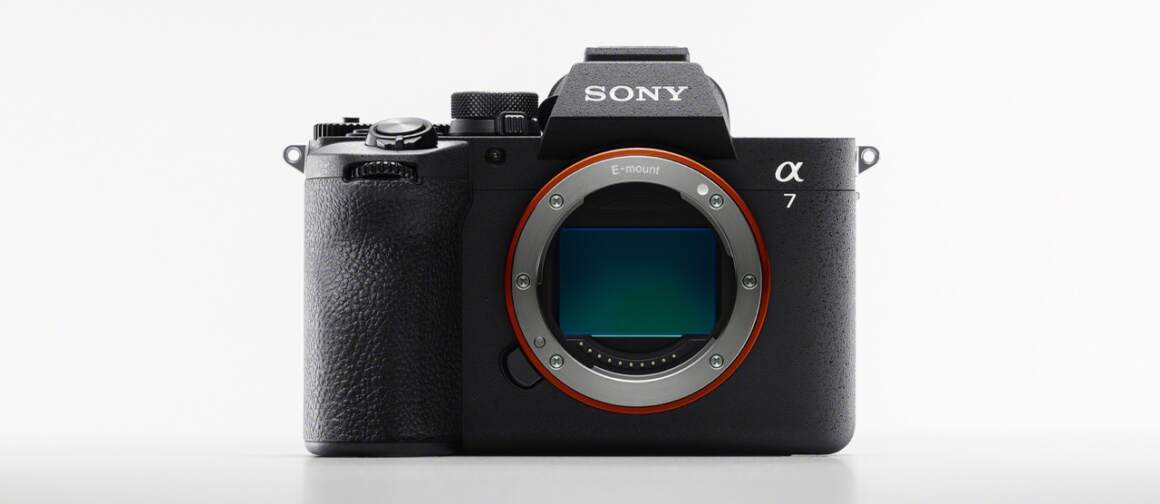
- Alpha 7 V body: $2,899 USD (December 2025)
- Alpha 7 V + SEL2870 kit: $3,099 USD (February 2026)
- FE 28-70mm/3.5-5.6 OSS II lens: $449 USD (February 2026)
My daily shooter is Sony A1 with a vertical grip and various Sony lenses attached like the FE 20mm F1.8. Find more gear recommendations in our shop. As an Amazon Associate I earn from qualifying purchases.
