Sony Pushes Resolution Further
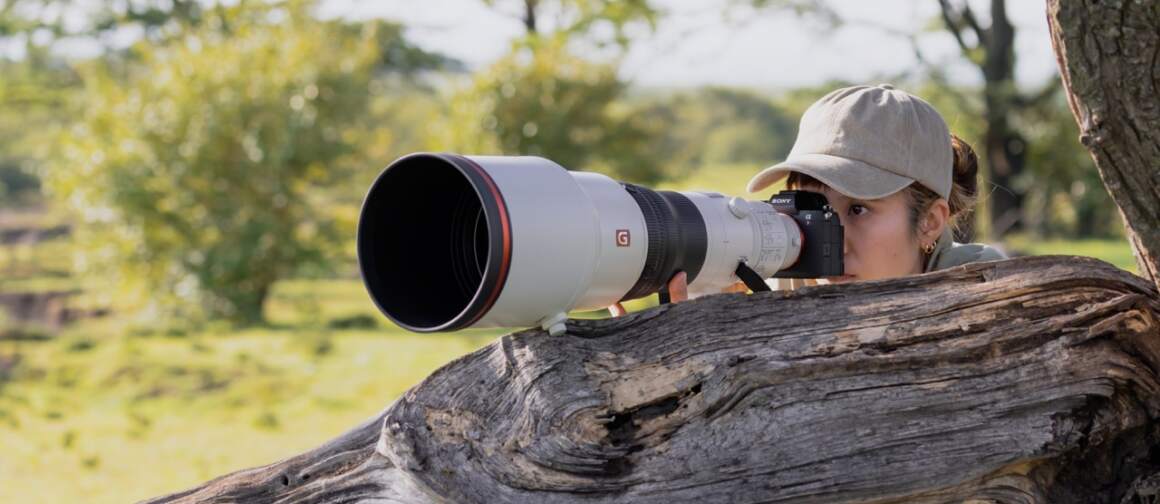

Sony Pushes Resolution Further with the New Alpha 7R VI
Sony has officially announced the Alpha 7R VI. The sixth generation of its high‑resolution R‑series—and it’s a major leap even by Sony’s already aggressive standards. Teased earlier in the week, the headline spec is impossible to miss: an approximately 66.8‑megapixel fully‑stacked Exmor RS sensor, the highest resolution ever in the Alpha lineup.
According to Sony, this new sensor delivers “exceptional resolution, accurate color, and reliable performance across subjects ranging from people in motion to wildlife to expansive landscapes.”


But resolution is only part of the story. The 7R VI is built around the new BIONZ XR2 engine, which provides a 5.6× faster sensor readout than the previous model and enables blackout‑free shooting up to 30 fps with 60 AF/AE calculations per second. This is the first R‑series body that truly feels like it’s built for speed as much as detail.
A New Standard for High‑Resolution Shooting
Sony claims up to 16 stops of dynamic range at low sensitivities and improved noise performance in the mid‑ISO range. The in‑body stabilization system has also been reworked, now rated for up to 8.5 stops at the center of the frame—the highest figure Sony has published to date.
Color accuracy gets a boost as well thanks to a hybrid visible‑light + IR sensor feeding Sony’s latest deep‑learning‑based Auto White Balance system. This should help with mixed indoor lighting and shaded outdoor scenes, two places where AWB often struggles.
Built for Working Photographers
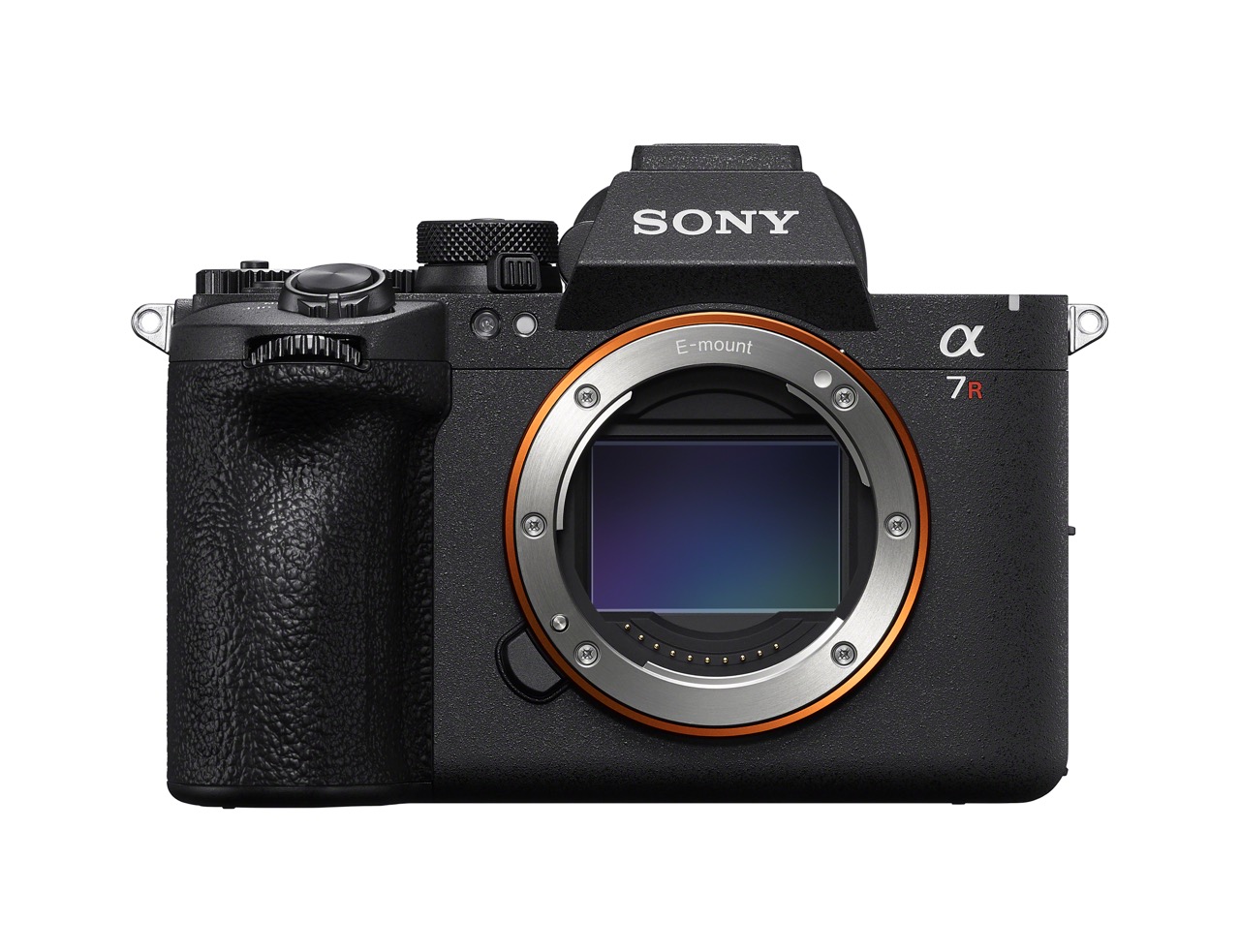

Sony clearly expects this camera to be used hard. The new NP‑SA100 battery offers up to 710 shots via the LCD or 600 through the EVF (CIPA) and includes an in‑camera deterioration indicator for long‑term reliability.
The EVF itself is a major upgrade: 9.44M dots, DCI‑P3‑equivalent color, 10‑bit HDR, and three times the brightness of previous models. For anyone who shoots in bright sun, this is a meaningful improvement.
Heat management has also been redesigned, allowing up to 120 minutes of uninterrupted 8K recording at 30p under standard test conditions.
Other pro‑friendly touches include:
- Dual USB‑C ports for simultaneous charging and data transfer
- Illuminated rear buttons for low‑light work
- A 4‑axis multi‑angle LCD
- Magnesium alloy construction
- Memory Recall tied to custom buttons for fast setup changes
The camera also supports Sony’s Camera Authenticity Solution and the C2PA standard, enabling verification that images and videos were captured with a camera—not generated by AI.

Video: 8K, 32‑bit Float Audio, and Dual Gain Shooting
On the video side, the 7R VI records 8K 30p using 8.2K oversampling, plus full‑frame 4K 60p and 120p without crop when using Sony’s angle‑of‑view priority setting.
A first for the Alpha series, Dual Gain Shooting optimizes sensor performance for cleaner shadows and smoother gradation. Stabilization has been expanded as well. It now has 2× the roll‑axis compensation and a more aggressive Dynamic Active Mode for handheld work.
Paired with the newly announced XLR‑A4 adaptor, the camera can record 32‑bit float audio internally, eliminating the need for precise gain adjustments on location—something Sony notes “significantly reduces the risk of audio distortion.”
XLR‑A4: A New Audio Module for Creators
The XLR‑A4 is a lower‑profile, reinforced successor to the K3M. It supports:
- Up to 4‑channel digital audio
- XLR microphones like the ECM‑778
- 3.5mm stereo mics via the MI Shoe
- 96 kHz / 32‑bit float recording
- USB Audio Class 2.0 for use as a 96 kHz / 24‑bit 2‑channel audio interface
Sony includes a 60 cm extension cable for flexible rigging, with side‑routed cabling to avoid interference with accessories.
Accessories and Pricing
- Alpha 7R VI: $4,499.99 USD — preorder now. Ships June 2026
- XLR‑A4 adaptor: $779.99 USD — June 2026
- NP‑SA100 battery: $119.99 USD
- VG‑C6 vertical grip: $459.99 USD
- BC‑SAD1 dual charger: $139.99 USD
- DC‑C2 coupler: $149.99 USD
Final Thoughts
Sony’s R‑series has always been about resolution. The Alpha 7R VI looks like the first model that fully merges high‑resolution stills with high‑speed performance and serious video capability. Between the stacked sensor, the new processor, the upgraded EVF, and the pro‑level audio pipeline, this is the most complete R‑body Sony has built.
If you want the highest‑resolution full‑frame camera on the market—without giving up speed, AF intelligence, or video flexibility—the 7R VI is shaping up to be the new benchmark. Read more about the latest R from B&H.